
Feeling overwhelmed by anxiety? Does the constant hum of worry and stress follow you wherever you go? You’re not alone. Anxiety is a common mental health condition that can significantly impact our daily lives.
The good news is, there are ways to manage anxiety and find moments of calm even in the midst of a busy day. Mindfulness practices can be powerful tools for reducing anxiety and promoting overall well-being.
What is Mindfulness?
Mindfulness is the practice of paying attention to the present moment, without judgment. It’s about bringing your awareness to your thoughts, feelings, and bodily sensations in a non-reactive way. By grounding yourself in the present, you can step away from the worry cycle and experience a sense of peace and calm.
The Benefits of Mindfulness for Anxiety
Mindfulness practices have been shown to be effective in reducing anxiety symptoms. Here are some ways mindfulness can help:
- Reduces Rumination: Anxiety often involves dwelling on negative thoughts. Mindfulness helps you become aware of your thoughts without getting caught up in them.
- Improves Focus: Anxiety can make it difficult to concentrate. Mindfulness practices can help train your attention and improve your ability to focus on the present moment.
- Increases Self-Awareness: Mindfulness helps you become more aware of your physical and emotional responses to stress. This awareness allows you to identify early warning signs of anxiety and take steps to manage it.
- Promotes Relaxation: Mindfulness techniques like deep breathing can activate the body’s relaxation response, counteracting the physical effects of anxiety.
Simple Mindfulness Techniques for Daily Use
The beauty of mindfulness is that it can be practiced anywhere, anytime. Here are a few simple techniques you can incorporate into your daily routine to manage anxiety:
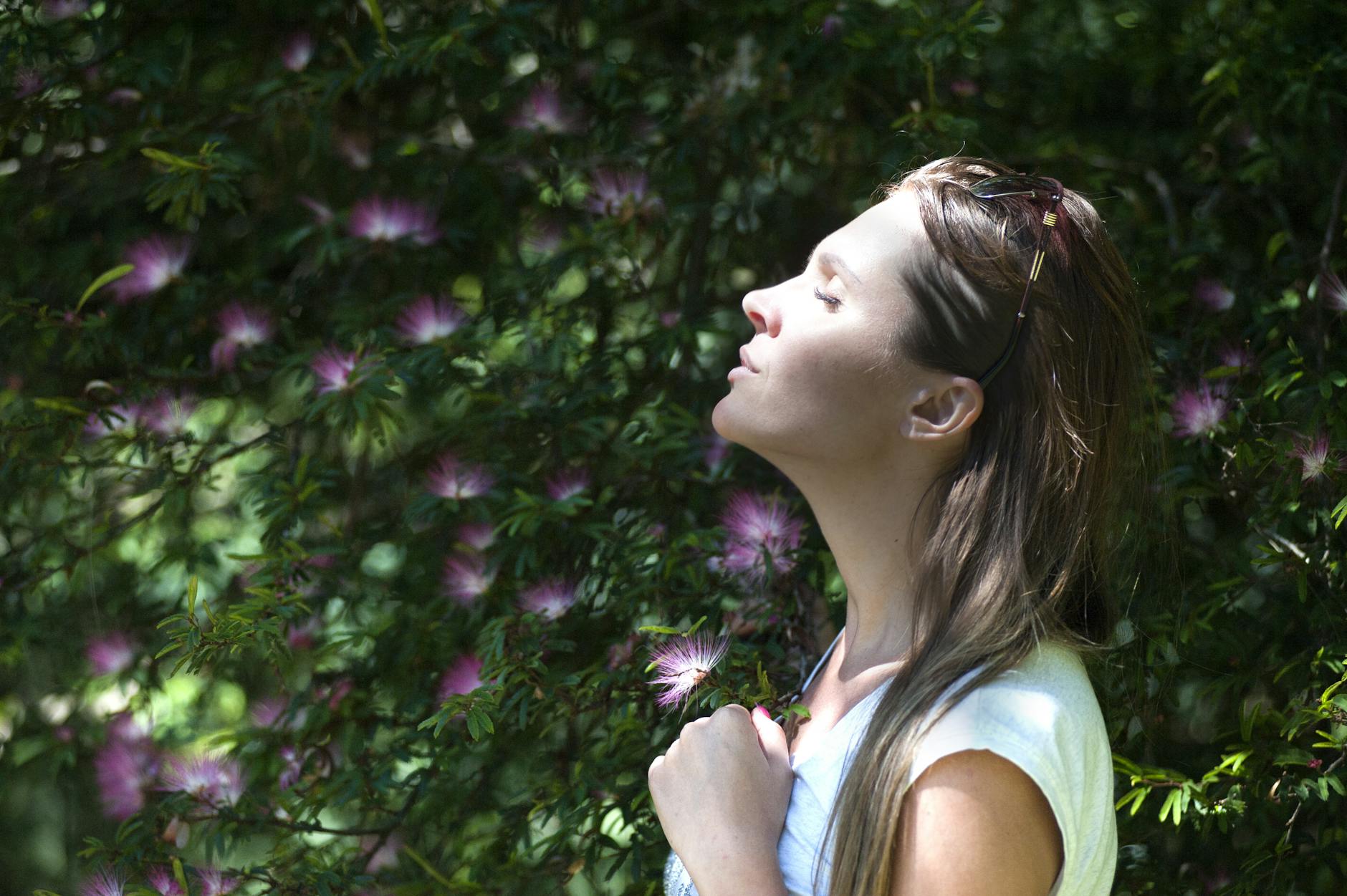
- Mindful Breathing: Take a few slow, deep breaths, focusing on the sensation of your breath moving in and out of your body. Notice the rise and fall of your chest or abdomen with each breath.
- Body Scan: Sit or lie down comfortably and close your eyes. Bring your attention to your body, starting with your toes. Notice any physical sensations, such as tension, warmth, or tingling, without judgment. Slowly scan your body, moving your attention upwards with each breath.
- The 5 Senses: Take a few minutes to focus on your five senses. Notice five things you can see, four things you can touch, three things you can hear, two things you can smell, and one thing you can taste. Engaging your senses in this way helps ground you in the present moment.
- Mindful Walking: When you’re walking, pay attention to the physical sensations of your body moving. Feel your feet connecting with the ground, the movement of your legs, and the rhythm of your breath. Notice the sights, sounds, and smells around you.
- Mindful Eating: When you’re eating, slow down and savor each bite. Notice the taste, texture, and smell of your food. Chew thoroughly and pay attention to your body’s hunger and fullness cues.
Making Mindfulness a Habit
The key to reaping the benefits of mindfulness is to practice it regularly. Even a few minutes of mindful practice each day can make a difference.
Here are some tips for making mindfulness a habit:
- Start small: Begin with just a few minutes of practice each day and gradually increase the duration as you become more comfortable.
- Find a quiet space: Choose a quiet place where you can be free from distractions.
- Set reminders: Set a reminder on your phone or use a meditation app to remind yourself to practice mindfulness throughout the day.
- Be patient: Learning mindfulness takes time and practice. Don’t get discouraged if your mind wanders – simply gently bring your attention back to the present moment.
Remember, mindfulness is a skill, and like any skill, it takes practice to develop. With consistent effort, you can use mindfulness techniques to manage your anxiety and create a more peaceful and present state of mind.
If You’re Struggling
While mindfulness is a powerful tool for managing anxiety, it may not be enough for everyone. If your anxiety is severe or interferes with your daily life, it’s important to seek professional help. A therapist can teach you additional coping mechanisms and provide support as you work towards managing your anxiety.
Taking the Next Step
At Onesta Therapy Co., our experienced therapists can help you develop a personalized plan for managing your anxiety. We offer a variety of evidence-based therapies, including mindfulness-based techniques, to help you find relief and live a more fulfilling life.
Don’t let anxiety hold you back. Contact Onesta Therapy Co. today to schedule a confidential session and explore how mindfulness and therapy can help you create a calmer and more present you. You can also sign up
 Jennifer Adair, LPC
Leave a comment