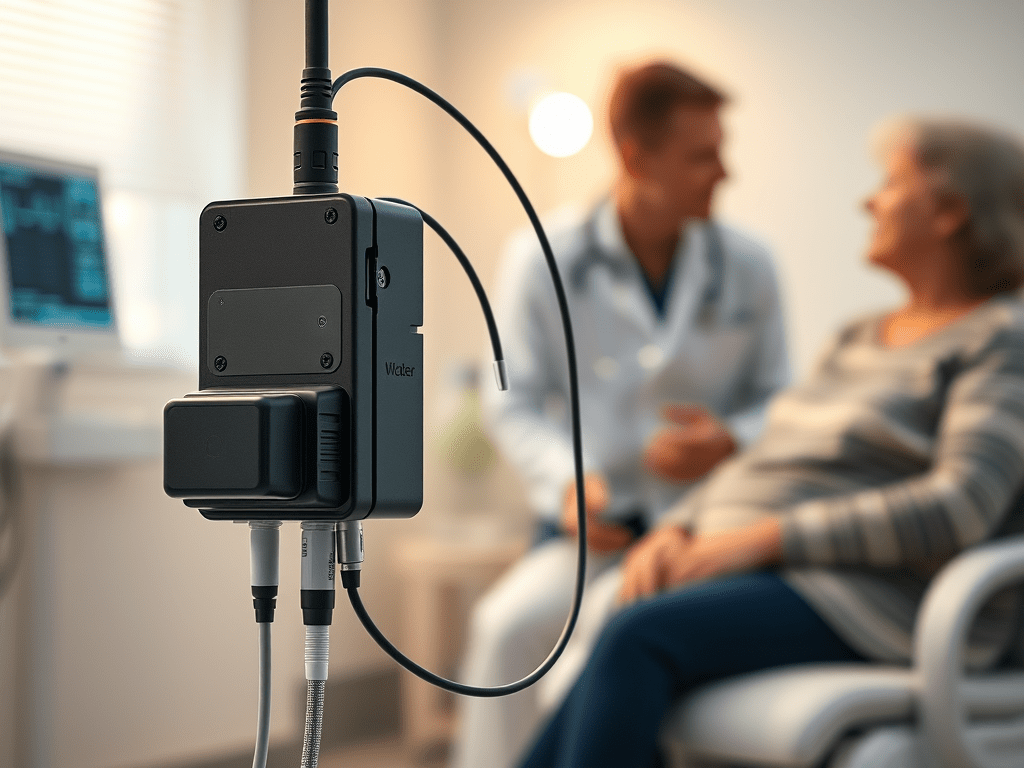
Living with chronic pain can be incredibly challenging, affecting every part of your life—physical, emotional, and social. If you’re one of the millions struggling with persistent pain, you may have heard about spinal cord stimulators (SCS) as a treatment option. But can spinal cord stimulators improve quality of life in chronic pain patients? This is a question many ask when considering this advanced therapy.
In this post, we’ll explore how spinal cord stimulators work, their potential benefits and limitations, and what chronic pain patients can realistically expect. You’ll also find practical guidance on managing the emotional toll of chronic pain and when to seek professional support. Whether you’re newly exploring SCS or looking for ways to complement your treatment, this article is here to provide clear, compassionate, and actionable information.
What is a spinal cord stimulator and how does it work?
A spinal cord stimulator is a small device implanted under your skin that sends mild electrical pulses to the spinal cord. These pulses disrupt pain signals before they reach your brain, effectively “masking” the pain sensation. SCS is most commonly used for chronic neuropathic pain conditions such as failed back surgery syndrome, complex regional pain syndrome (CRPS), and certain nerve injuries.
The system consists of thin wires (leads) placed near the spinal cord and a pulse generator implanted under the skin, usually in the lower back or abdomen. A handheld remote allows you to control the intensity and pattern of the stimulation.
Can spinal cord stimulators improve quality of life in chronic pain patients? — What the research says
The short answer: Yes, spinal cord stimulators have been shown to improve quality of life for many chronic pain patients. However, outcomes vary and depend on individual factors such as the type of pain, overall health, and adherence to post-implant care.
Research studies show:
- Pain reduction: Many patients report significant decreases in pain intensity after SCS implantation, often by 50% or more.
- Improved function: Reduced pain can lead to better mobility, sleep quality, and ability to perform daily activities.
- Lower medication use: Some patients reduce or eliminate opioid and other pain medications, decreasing side effects and dependency risks.
- Enhanced mental health: Less pain and increased independence contribute to improved mood, reduced anxiety, and a better sense of well-being.
A 2020 review published in Pain Physician noted that approximately 60-70% of patients experience meaningful pain relief and quality-of-life improvements after spinal cord stimulator implantation.

Who is a good candidate for a spinal cord stimulator?
Not everyone with chronic pain is a candidate for SCS. Typically, the best candidates:
- Have chronic neuropathic pain that has not responded well to conservative treatments like medications and physical therapy.
- Are in good overall health without active infections or bleeding disorders.
- Are willing to undergo a trial period where the stimulator is temporarily placed to test effectiveness before full implantation.
- Understand that SCS is part of a comprehensive pain management plan and requires follow-up care.
Your pain specialist or neurosurgeon will conduct thorough evaluations, including imaging and psychological assessments, to determine if SCS is appropriate.
What to expect during the spinal cord stimulator trial
Before permanent implantation, most patients undergo a trial where temporary leads are placed to test if the device relieves pain. This trial typically lasts about 5–7 days.
During the trial, you will:
- Use the remote control to adjust stimulation levels.
- Track your pain levels and daily function.
- Report any side effects or concerns to your medical team.
A successful trial—usually defined as at least 50% pain reduction and functional improvement—typically leads to permanent implantation.
Limitations and risks of spinal cord stimulators
While many experience benefits, spinal cord stimulators are not a cure-all. Limitations include:
- Variable success: Not everyone achieves significant pain relief; some patients find little to no improvement.
- Device-related complications: Risks include infection, lead migration, device malfunction, or discomfort at the implant site.
- Adjustments needed: You may require reprogramming or additional procedures to optimize results.
- Cost and accessibility: SCS can be expensive, and insurance coverage varies.
It’s important to weigh these factors carefully with your healthcare provider and maintain realistic expectations.

How spinal cord stimulators impact mental health and emotional well-being
Chronic pain affects more than the body—it deeply impacts the mind. Persistent pain can cause anxiety, depression, sleep disturbances, and social isolation.
When SCS reduces pain, many patients notice a positive shift in mood and emotional well-being. Increased physical function often leads to greater independence, social engagement, and a renewed sense of hope.
However, it’s also normal to experience emotional ups and downs during the process. Psychological support through counseling or therapy can help you build coping skills, manage expectations, and process complex feelings related to chronic pain and treatment.
Complementary strategies to enhance quality of life alongside spinal cord stimulation
To maximize benefits, consider integrating these approaches into your pain management plan:
- Physical therapy: Improves strength, flexibility, and mobility.
- Cognitive-behavioral therapy (CBT): Teaches practical skills to change pain-related thoughts and behaviors.
- Mindfulness and relaxation: Reduces stress and alters pain perception.
- Healthy lifestyle habits: Balanced diet, regular sleep, and gentle exercise support overall wellness.
Combining SCS with a holistic approach often leads to the best outcomes.
When to seek professional help for chronic pain and emotional health
If you’re struggling with pain or the emotional impact of chronic illness, seeking professional support can make a big difference.
Consider reaching out if you experience:
- Persistent feelings of sadness, anxiety, or hopelessness
- Difficulty sleeping or concentrating
- Withdrawal from activities or loved ones
- Increased pain-related distress or frustration
A mental health professional can provide individualized strategies to improve your emotional resilience and quality of life.
How Jen at Onesta Therapy Co. can support you
If chronic pain is affecting your mental health and well-being, I’m here to help. At Onesta Therapy Co., I specialize in supporting clients navigating chronic pain, treatment challenges, and emotional wellness.
Whether you are considering spinal cord stimulation or adjusting to life with chronic pain, scheduling a confidential session with me can provide:
- Compassionate support tailored to your experience
- Practical tools to manage stress, anxiety, and depression
- Guidance to improve daily functioning and hope
Take the next step toward improving your quality of life
Chronic pain is hard, but you don’t have to face it alone. If you’re exploring spinal cord stimulators or managing life with persistent pain, I invite you to take action:
- Book a confidential session with me, Jen, at Onesta Therapy Co. for personalized mental health support: https://onestaco.com/book-a-session-with-jen/
- Sign up for blog updates to receive ongoing insights and encouragement.
- Explore digital self-help products designed for chronic pain and emotional wellness at https://onestaco.com/digital-self-help-shop/.
You deserve a life with less pain and more joy. Let’s work together toward that goal.

Book a session with Jen
✓ 10 years counseling experience
✓ Phone and televideo appointments
✓ Accepts HSA
✓ Eclectic therapeutic approach
Subscribe
Enter your email below to get blog updates and other helpful information.
✓ Get expert insights & practical tips
✓ Discover relatable stories & experiences
✓ Stay informed on mental health trends
✓ Join a supportive community
Grounding Techniques:
FREE Guide!
Download this FREE guide and discover a powerful mindfulness technique to reduce stress and find peace in the present moment.
✓ Simple & Effective
✓ Reduce stress & anxiety
✓ Improve focus & mindfulness
✓ Use anytime, anywhere!
Download your FREE guide today and start cultivating inner calm!
Daily Self-Care Checklist:
FREE Checklist!
Download & prioritize self-care with this FREE checklist!
✓ Boost mood & energy
✓ Improve sleep & focus
✓ Practice healthy habits
✓ Feel your best, every day!
Get started today – it’s free!
From the blog:
Open conversations, real solutions. Dive into mental health topics: Explore anxiety, depression, relationships, and more with expert insights and practical advice. Let’s break down barriers and empower your journey to mental well-being.







Leave a comment