
Summer gatherings bring joy, connection, and celebration, but for those dealing with social anxiety, they can also be overwhelming. The thought of attending a barbecue, family reunion, or outdoor event can stir up feelings of nervousness, dread, or even panic. If you experience social anxiety, you’re not alone—many individuals face similar challenges when it comes to social events.
Fortunately, there are proven strategies and techniques to help you handle social anxiety during summer gatherings. With the right tools, you can navigate these events with confidence, reduce stress, and even enjoy your time spent with others. In this blog post, we’ll explore practical tips for managing social anxiety, focusing on how to stay calm, reduce overwhelming feelings, and enhance your social experiences.
What Is Social Anxiety?
Before we dive into tips for handling social anxiety at summer gatherings, let’s first take a moment to understand what social anxiety is. Social anxiety, also known as social phobia, is the fear of being judged, embarrassed, or scrutinized by others in social or performance situations. It’s completely normal to feel some level of nervousness in social settings, but for those with social anxiety, these feelings can become intense and may cause avoidance of social interactions.
Social anxiety can manifest in various ways, including:
- Physical Symptoms: Sweating, trembling, dry mouth, or a racing heart.
- Negative Thoughts: Worries about being judged or making mistakes.
- Avoidance Behavior: Choosing not to attend events or feeling paralyzed in social situations.
Summer gatherings, with their large groups and attention on interaction, can be particularly challenging for those struggling with social anxiety. However, with the right mindset and tools, it’s entirely possible to manage these feelings and participate in gatherings in a way that feels comfortable and authentic to you.
1. Prepare Ahead of Time
One of the most effective ways to manage social anxiety is to be well-prepared for the event. By knowing what to expect and having a plan in place, you can reduce the uncertainty that fuels anxious thoughts.
How to prepare:
- Know the Schedule: If possible, ask the host for details about the event. Knowing when it starts, who will be there, and what activities are planned can help reduce any surprises that may trigger anxiety.
- Set Boundaries: Decide in advance what you’re comfortable with. If you know that certain situations (such as public speaking or large crowds) make you anxious, give yourself permission to politely excuse yourself or step away when needed.
- Have an Exit Strategy: It’s always helpful to have an exit strategy in place. Whether it’s stepping outside for a few minutes to take a break or leaving early, knowing you can exit if needed can reduce feelings of being trapped.
By mentally preparing yourself for the event, you can take away some of the fear of the unknown and regain control over the situation.
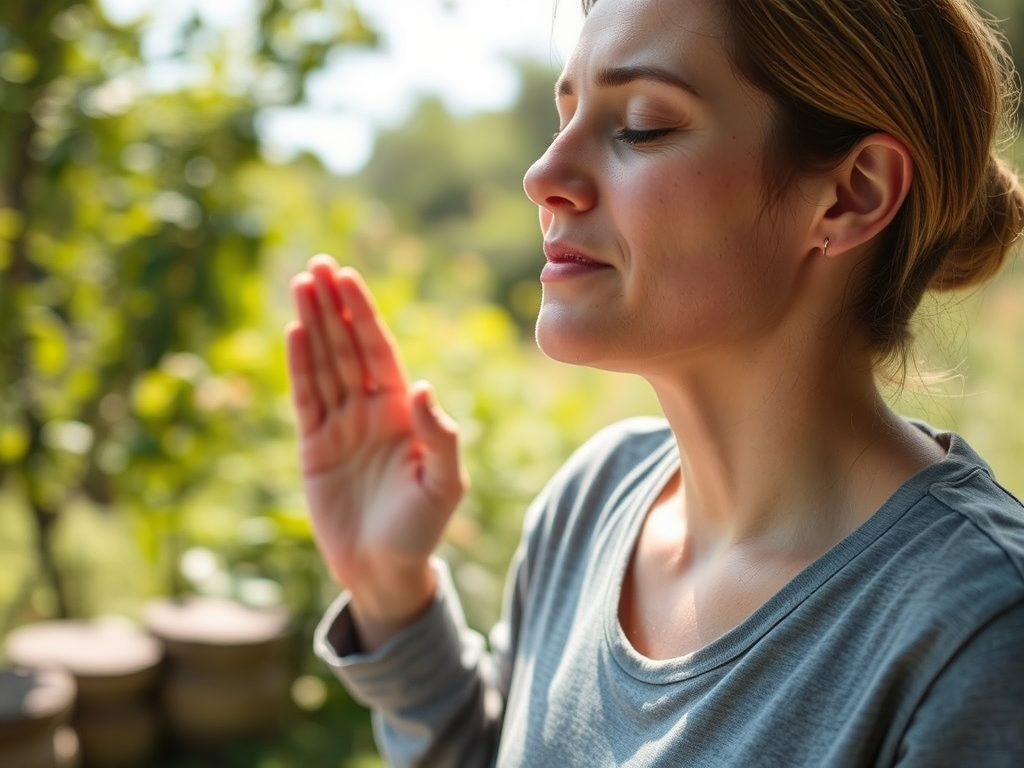
2. Practice Deep Breathing and Relaxation Techniques
Social anxiety can trigger physical symptoms like rapid breathing or a racing heart. Deep breathing exercises and relaxation techniques can help you stay calm and grounded, even in overwhelming situations.
Breathing techniques to try:
- 4-7-8 Breathing: Inhale for 4 seconds, hold for 7 seconds, and exhale slowly for 8 seconds. This helps activate your parasympathetic nervous system, promoting relaxation.
- Box Breathing: Inhale for 4 seconds, hold for 4 seconds, exhale for 4 seconds, and pause for 4 seconds before starting the cycle again.
Other relaxation techniques:
- Progressive Muscle Relaxation: Tense and relax each muscle group in your body, starting from your feet and working your way up to your head. This helps release physical tension and calms the body.
- Visualization: Imagine yourself in a calm, peaceful place—like a beach or a forest. Visualizing a calm space can help you manage anxious feelings in a social setting.
By practicing these relaxation techniques, you can stay focused and reduce the physical effects of anxiety, helping you navigate social situations with more ease.
3. Shift Your Focus from Yourself to Others
A key aspect of social anxiety is the overwhelming fear of being judged by others. A helpful strategy for managing this fear is to shift your focus from yourself to the people around you. Rather than obsessing over what others might think of you, try to engage with others and show genuine interest in their lives.
How to shift your focus:
- Ask Questions: When you engage in conversations, ask others about their lives, hobbies, or experiences. This not only takes the pressure off of you but also fosters meaningful interactions.
- Listen Actively: Focus on being an active listener. Nod, make eye contact, and ask follow-up questions. By paying attention to what others are saying, you’ll find yourself less focused on your own anxiety.
- Compliment Others: Giving sincere compliments is a simple way to engage with others positively. Compliments can also serve as an icebreaker and help you feel more connected to the people around you.
By turning your attention outward, you’ll begin to feel less self-conscious and more involved in the interaction, reducing anxiety in the process.
4. Challenge Negative Thoughts
Social anxiety is often fueled by negative and irrational thoughts about ourselves and how others perceive us. These thoughts can spiral and make us believe that we’re going to embarrass ourselves or that people are judging us. However, these thoughts are often distorted and not based on reality.
How to challenge negative thoughts:
- Identify the Thought: When you begin to feel anxious, identify the negative thought causing your distress. It might sound like, “I’m going to make a fool of myself,” or “Everyone will think I’m weird.”
- Examine the Evidence: Challenge these thoughts by asking yourself, “What evidence do I have that supports or disproves this thought?” Most likely, you’ll find that there is little to no evidence that supports your fear.
- Replace with a Balanced Thought: Replace negative thoughts with more realistic, balanced ones. Instead of thinking, “Everyone will judge me,” try thinking, “I’m here to have fun and meet new people. Some people might notice me, but they’re probably focused on themselves too.”
By recognizing and challenging your negative thoughts, you can reduce their power over you and begin to feel more confident in social situations.

5. Start Small and Build Gradually
If attending large summer gatherings feels overwhelming, start by attending smaller events or gradually increasing your social exposure. The more you practice and push your comfort zone, the easier it will become over time.
How to start small:
- Attend Smaller Gatherings: Instead of jumping into a large barbecue with dozens of people, start by attending a small dinner party or a casual meetup with a few friends.
- Set Short Goals: Set small, achievable goals for yourself during social events. For example, “I will talk to at least two people” or “I will stay for at least an hour.”
- Celebrate Small Wins: After each social event, acknowledge your effort and celebrate what you did well. Even small achievements will boost your confidence and help you manage future social situations with more ease.
Gradually building your social skills and comfort levels will allow you to feel more at ease over time and reduce the impact of social anxiety.
6. Seek Professional Support
If social anxiety is significantly impacting your ability to enjoy summer gatherings or is interfering with your daily life, it may be helpful to seek professional support. Therapy can provide valuable insights and strategies for managing anxiety, and a therapist can work with you to tailor solutions that fit your unique needs.
How therapy can help:
- Cognitive Behavioral Therapy (CBT): CBT helps individuals identify and change negative thought patterns that contribute to anxiety. It’s highly effective for social anxiety and can provide practical tools to manage symptoms.
- Exposure Therapy: This type of therapy helps individuals gradually face situations that trigger anxiety in a controlled, supportive environment, reducing fear over time.
If you’re struggling with social anxiety, I encourage you to reach out and schedule a confidential session at Onesta Therapy Co. Together, we can develop a personalized plan to help you feel more confident and comfortable in social situations.
Navigating Summer Gatherings with Confidence
Summer gatherings don’t have to be overwhelming. By implementing strategies such as preparing ahead of time, practicing relaxation techniques, and challenging negative thoughts, you can manage your social anxiety and enjoy the season to its fullest. Remember, social anxiety is a common challenge, and taking small, gradual steps toward overcoming it is a journey worth pursuing.
If you’re ready to work on managing social anxiety with the support of a therapist, I invite you to reach out today to schedule a confidential session. Together, we can work toward making summer gatherings more enjoyable and less stressful.

Book a session with Jen
✓ 10 years counseling experience
✓ Phone and televideo appointments
✓ Accepts HSA
✓ Eclectic therapeutic approach
Subscribe
Enter your email below to get blog updates and other helpful information.
✓ Get expert insights & practical tips
✓ Discover relatable stories & experiences
✓ Stay informed on mental health trends
✓ Join a supportive community
Grounding Techniques:
FREE Guide!
Download this FREE guide and discover a powerful mindfulness technique to reduce stress and find peace in the present moment.
✓ Simple & Effective
✓ Reduce stress & anxiety
✓ Improve focus & mindfulness
✓ Use anytime, anywhere!
Download your FREE guide today and start cultivating inner calm!
Daily Self-Care Checklist:
FREE Checklist!
Download & prioritize self-care with this FREE checklist!
✓ Boost mood & energy
✓ Improve sleep & focus
✓ Practice healthy habits
✓ Feel your best, every day!
Get started today – it’s free!
From the blog:
Open conversations, real solutions. Dive into mental health topics: Explore anxiety, depression, relationships, and more with expert insights and practical advice. Let’s break down barriers and empower your journey to mental well-being.






Leave a comment