
Chronic pain can feel like a heavy, unrelenting weight on your daily life. For many, a spinal cord stimulator (SCS) offers hope — a way to reduce pain and regain control. But what happens when a spinal cord stimulator doesn’t work as expected? If you’ve recently gone through a trial or implantation of an SCS and haven’t found relief, you’re not alone, and there are still options available.
In this article, we’ll explore pain management alternatives when a spinal cord stimulator doesn’t work, breaking down different paths you can take, and offering guidance to help you make informed decisions. This post is designed to give you clear, compassionate information about your options and how to move forward.
What is a spinal cord stimulator and why might it fail?
Before diving into alternatives, it’s helpful to understand what a spinal cord stimulator is and why it sometimes doesn’t provide the expected relief.
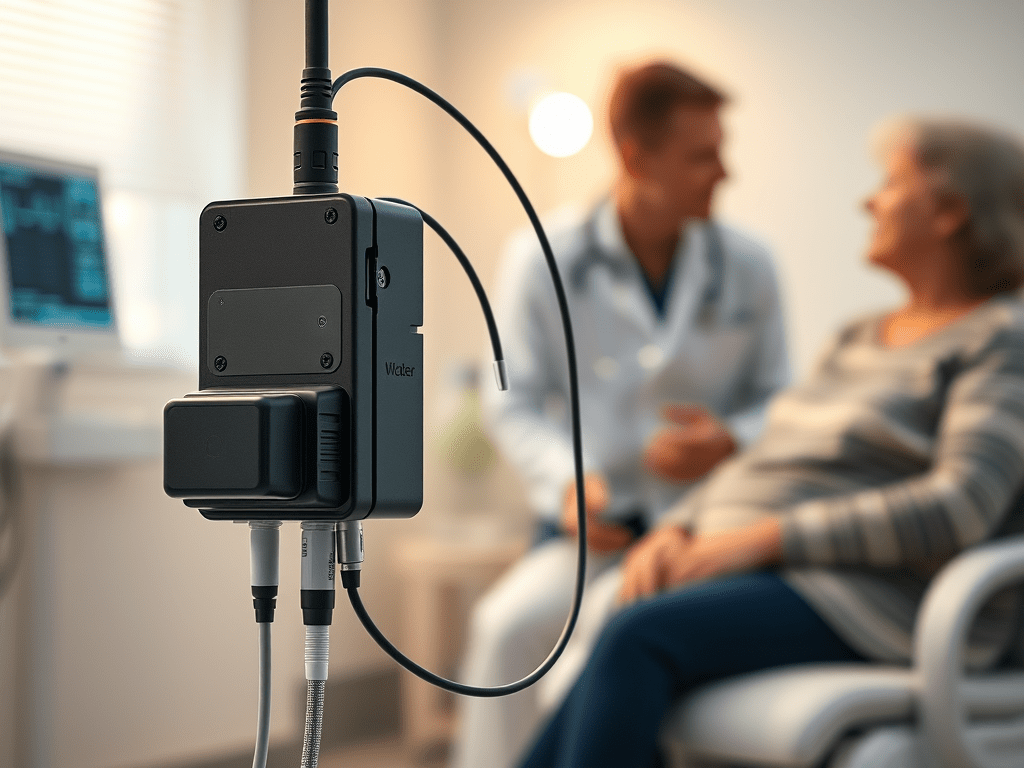
A spinal cord stimulator is a device implanted near your spinal cord that sends electrical pulses to interrupt pain signals before they reach your brain. It’s often recommended for people with chronic neuropathic pain or failed back surgery syndrome.
However, not everyone experiences successful pain relief with an SCS. Reasons for failure include:
- Incorrect placement or technical issues with the device
- Pain that doesn’t respond to electrical stimulation
- Changes in the underlying condition or pain pathways
- Psychological factors impacting pain perception
If your SCS trial or implant hasn’t worked, it’s important to remember this doesn’t mean you’re out of options. Let’s look at some alternative approaches to managing your pain.

Pain management alternatives when a spinal cord stimulator doesn’t work
When an SCS doesn’t provide relief, it can be frustrating and discouraging. But the field of pain management is broad, and many other strategies can support your healing and improve quality of life.
1. Comprehensive pain management programs
Many pain clinics offer interdisciplinary pain management programs that include physical therapy, occupational therapy, psychological support, and medication management. These programs focus on addressing pain from multiple angles:
- Physical Therapy (PT): Movement and strengthening exercises tailored to your condition can reduce pain and improve function. PT often focuses on gentle mobility, postural correction, and improving flexibility.
- Cognitive Behavioral Therapy (CBT): This evidence-based psychological therapy helps you understand and manage the thoughts, emotions, and behaviors that contribute to pain. CBT has been shown to reduce pain intensity and improve coping skills.
- Medication Review: Your provider can work with you to optimize your medication regimen, balancing pain relief with side effects and risk of dependence.
This multidisciplinary approach can be especially helpful if your pain is complex and resistant to single treatments like SCS.
2. Alternative neuromodulation techniques
If a traditional spinal cord stimulator hasn’t worked, other neuromodulation options may be worth exploring:
- Dorsal Root Ganglion (DRG) Stimulation: This targets a specific nerve cluster associated with localized pain and can be more effective for certain conditions such as complex regional pain syndrome (CRPS).
- Peripheral Nerve Stimulation (PNS): Electrical stimulation targets specific peripheral nerves to block pain signals in localized areas.
These options are newer but have shown promise in clinical studies and might be considered after consultation with a specialist.
3. Injection therapies and nerve blocks
In some cases, injections of steroids, anesthetics, or other medications around the nerves or joints can help reduce inflammation and interrupt pain signals temporarily. Common examples include:
- Epidural steroid injections
- Facet joint injections
- Nerve root blocks
These are usually part of a larger pain management plan and can provide relief during flare-ups or as part of a diagnostic process.

4. Mind-body therapies and lifestyle changes
Managing chronic pain isn’t just about medical interventions. Supporting your overall well-being through mind-body therapies and lifestyle adjustments can greatly reduce suffering:
- Mindfulness Meditation and Relaxation Techniques: These help lower stress and alter pain perception by promoting relaxation and awareness.
- Yoga and Tai Chi: Gentle movement practices improve flexibility, strength, and mental focus.
- Diet and Sleep Hygiene: Proper nutrition and quality sleep impact pain severity and healing.
- Stress Management: Chronic stress worsens pain; learning stress reduction skills can break this cycle.
Incorporating these strategies empowers you to take an active role in your healing journey.
Understanding the mental health impact of SCS failure
It’s common to feel disappointed, anxious, or hopeless when a treatment like SCS doesn’t work. Chronic pain and its treatments deeply affect mental health, and recognizing this connection is crucial.
- You might experience increased depression, anxiety, or frustration related to ongoing pain and loss of hope.
- Fear of pain worsening or losing independence can impact your daily life and relationships.
- It’s important to address these feelings with compassion and professional support, rather than suffering in silence.
Therapies like CBT or Acceptance and Commitment Therapy (ACT) specifically help patients manage the emotional toll of chronic pain and treatment setbacks.
How to move forward after a spinal cord stimulator doesn’t work
Here are some clear steps to take if your spinal cord stimulator trial or implant didn’t provide relief:
- Discuss with your pain specialist or neurosurgeon: Share your experience, pain patterns, and concerns. They can evaluate whether adjustments to your device or alternative therapies might help.
- Seek a multidisciplinary evaluation: Consider visiting a comprehensive pain management clinic for a holistic review of your case.
- Consult a mental health professional: Addressing the emotional and psychological effects of chronic pain is essential. Therapy can help you develop coping skills and resilience.
- Explore self-help resources: Incorporate mind-body strategies and lifestyle changes gradually.
- Stay connected: Chronic pain can feel isolating. Support groups or online communities offer connection and encouragement.
When to seek professional mental health support
Chronic pain and failed treatments can significantly impact your mental health. Seek professional help if you experience:
- Persistent sadness, hopelessness, or thoughts of self-harm
- Increased anxiety or panic attacks
- Trouble sleeping or concentrating
- Withdrawal from activities or social isolation
A compassionate mental health provider can help you build strength and coping skills to improve your quality of life despite pain challenges.
Resources for further support
If you’re navigating pain management alternatives after an SCS didn’t work, help is available:
- Book a confidential session with Jen at Onesta Therapy Co. for compassionate, personalized mental health support: https://onestaco.com/book-a-session-with-jen/
- Explore digital self-help tools designed for pain and mental health: https://onestaco.com/digital-self-help-shop/
- Check out reputable online resources such as the American Chronic Pain Association (theacpa.org) for education and peer support.
Final thoughts
Living with chronic pain when a spinal cord stimulator doesn’t work can feel overwhelming. But it’s important to remember that pain management is not one-size-fits-all. There are multiple paths to relief and support, from comprehensive pain programs to mental health therapy and self-care.
By exploring alternatives thoughtfully and reaching out for help, you can find new ways to reclaim your life and hope. If you’re ready to take the next step in your pain and mental health journey, consider scheduling a confidential session with me, Jen, at Onesta Therapy Co. Together, we can work toward healing and resilience.

Book a session with Jen
✓ 10 years counseling experience
✓ Phone and televideo appointments
✓ Accepts HSA
✓ Eclectic therapeutic approach
Subscribe
Enter your email below to get blog updates and other helpful information.
✓ Get expert insights & practical tips
✓ Discover relatable stories & experiences
✓ Stay informed on mental health trends
✓ Join a supportive community
Grounding Techniques:
FREE Guide!
Download this FREE guide and discover a powerful mindfulness technique to reduce stress and find peace in the present moment.
✓ Simple & Effective
✓ Reduce stress & anxiety
✓ Improve focus & mindfulness
✓ Use anytime, anywhere!
Download your FREE guide today and start cultivating inner calm!
Daily Self-Care Checklist:
FREE Checklist!
Download & prioritize self-care with this FREE checklist!
✓ Boost mood & energy
✓ Improve sleep & focus
✓ Practice healthy habits
✓ Feel your best, every day!
Get started today – it’s free!
From the blog:
Open conversations, real solutions. Dive into mental health topics: Explore anxiety, depression, relationships, and more with expert insights and practical advice. Let’s break down barriers and empower your journey to mental well-being.





 Jennifer Adair, LPC
Leave a comment