
Your attachment style—formed through early relationships with caregivers—continues to influence your romantic life and mental well-being long into adulthood. In this blog, we’ll explore how attachment styles affect your dating life and mental health, offering therapist-guided insights, practical tools, and clear affirmations. Whether you’re navigating anxious feelings on a first date or seeking deeper connection, this post supports you—straightforward, compassionate, and rooted in both science and empathy.
What Are Attachment Styles?
Secure, Anxious, Avoidant, Disorganized: Know the Basics 🧠
Attachment theory, developed by Bowlby and Ainsworth, shows how early caregiver patterns shape your emotional wiring. In adults, the four styles are:
- Secure: Trusting, comfortable with intimacy and independence
- Anxious (preoccupied): Crave closeness, fear abandonment, seek reassurance
- Avoidant (dismissive): Value independence, avoid emotional closeness
- Fearful-avoidant (disorganized): Desire intimacy but distrust it, often suppress feelings
Studies show approximately 58% of adults are securely attached; the rest fall along the insecure spectrum.
How Attachment Styles Affect Your Dating Life
1. Secure Attachment
Dating style: Confident, balanced, emotionally available.
What it looks like: You’re able to communicate needs, handle conflict with empathy, and trust yourself and your partner.
Mental health link: Lower rates of anxiety and depression; you bounce back gracefully after setbacks.
2. Anxious-Preoccupied Attachment
Dating style: Seeking closeness, intense reassurance, overthinking.
Common struggles: Constant worry about being accepted, jealousy, impulse to text or call frequently.
Mental health impact: High correlation with anxiety, depression, and stress symptoms—significantly more than other styles.
3. Avoidant Attachment
Dating style: Independent, emotionally reserved, minimize intimacy.
Common struggles: Difficulty opening up, ghosting, emotional distancing when things get serious.
Mental health impact: Linked to emotional suppression, loneliness, and discomfort with vulnerability.
4. Fearful-Avoidant (Disorganized) Attachment
Dating style: Torn between craving closeness and pushing away; unpredictable emotional patterns.
Common struggles: High conflict, emotional chaos, difficulty trusting self or partner.
Mental health impact: Higher risk for severe anxiety, depression, and complex emotional struggles.
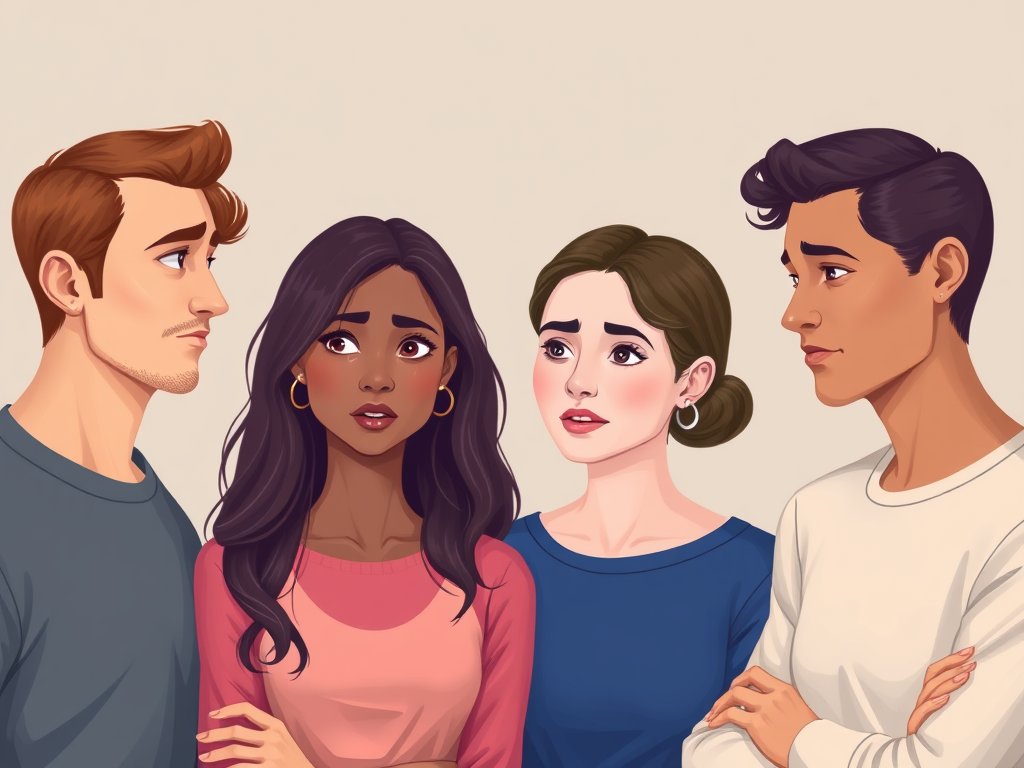
Why Attachment Styles Matter for Mental Health
Attachment isn’t just about dating—it shapes your emotional well-being.
Anxiety, Depression & Attachment Insecurity
Meta-analyses show that attachment anxiety strongly predicts anxiety (r ≈ 0.42) and depression, while avoidance also correlates significantly (r ≈ 0.28) (washingtonpost.com, pubmed.ncbi.nlm.nih.gov).
Social Support as a Mediator
Strong social support can buffer the negative impacts of insecure attachment—especially key when stressors arise.
How to Navigate Your Attachment Style in Dating
1. Identify Your Attachment Style
Take a trusted quiz (like the one at AttachedTheBook.com) or reflect:
- Do you worry your partner will leave (anxious)?
- Do you avoid closeness and prioritize independence (avoidant)?
- Do your needs feel confusing or overwhelming (fearful)?
- Do you feel stable and trusting (secure)?
Awareness empowers choice.
2. Practice Self-Compassion and Awareness
Understanding your style is not a label—it’s a tool. Remember:
“I’m not broken—I’m wired this way, and I can learn to respond differently.”
3. Build Secure-Like Habits
Regardless of style, you can cultivate secure behaviors:
- Communicate needs and limits clearly
- Respond consistently (e.g., follow through on plans)
- Practice mindful pause before reacting
- Set healthy boundaries regarding intimacy and autonomy
These habits reinforce safety—for you and your partner.
4. Partner Typing—Find Compatibility
The Attachment Dance: An anxious partner may trigger an avoidant partner’s distance—and vice versa. For healthier pairing:
- Look for someone with a secure or working toward secure style
- Notice if your anxieties are met with empathy instead of dismissal
- Observe if you can maintain autonomy and connection simultaneously
5. Use Therapist-Guided Tools
If persistent patterns dominate, therapy can support you in:
- Healing early attachment wounds
- Developing emotion regulation strategies
- Exploring new relationship templates rooted in security
At Onesta Therapy Co., I help clients transform insecure patterns into secure connection through compassionate, experienced guidance.
Step-by-Step: Creating Secure Attachment Habits
| Step | Practice | Why It Matters |
|---|---|---|
| Notice Triggers | Journal moments of insecurity or withdrawal | Build self-awareness |
| Ground and Soothe | Use breathing or mindfulness in hotspots | Regulate nervous system |
| Communicate Needs | Use “I” statements to express feelings | Create mutual empathy |
| Follow Through | Keep date and therapy commitments | Reinforce internal trust |
| Invite Feedback | Ask partner how they felt during rough patches | Encourage shared growth |
| Celebrate Small Wins | Acknowledge moments of self-regulation | Build confidence |
Consistency is your ally in rewiring attachment patterns.
How do attachment styles affect dating life and mental health?
Attachment styles—secure, anxious, avoidant, fearful—shape how we form intimacy, manage emotions, and relate in dating. Insecure styles can lead to anxiety, depression, trust wounds, and relationship instability. Understanding your attachment helps you live with self-compassion, communicate healthily, and build secure, resilient connections.

When to Seek More Support
If attachment patterns are full of conflict, emotional exhaustion, or lead to chronic anxiety/depression, it’s time to reach out.
Working with a therapist can:
- Teach emotional regulation
- Build healthy communication skills
- Cultivate secure attachment through corrective experiences
👉 Book a confidential session with Jen at Onesta Therapy Co.:
https://onestaco.com/book-a-session-with-jen/
Additional Resources
- Columbia Psychiatry: How Attachment Styles Influence Romantic Relationships (columbiapsychiatry.org, news.com.au, sciencedirect.com, popsugar.com, researchgate.net)
- PubMed Meta-Analysis: Attachment and Mental Health
- Verywell Mind: Anxious Ambivalent Attachment
- Onesta Therapy Co. blog
Final Thoughts & Next Steps
How attachment styles affect your dating life and mental health goes beyond theory—it’s about feeling safer, trusting more, and healing deeply. You’re not defined by your attachment—you’re guided, and you can grow.
👉 Book your confidential session with Jen now.
👉 Sign up for blog updates for more tools.
👉 Explore digital self-help shop for worksheets, guides, and audio supports: https://onestaco.com/digital-self-help-shop/
You deserve connection rooted in secure understanding and emotional safety. This is your invitation to let healing shape your relationships—from self to partner.

Book a session with Jen
✓ 10 years counseling experience
✓ Phone and televideo appointments
✓ Accepts HSA
✓ Eclectic therapeutic approach
Subscribe
Enter your email below to get blog updates and other helpful information.
✓ Get expert insights & practical tips
✓ Discover relatable stories & experiences
✓ Stay informed on mental health trends
✓ Join a supportive community
Grounding Techniques:
FREE Guide!
Download this FREE guide and discover a powerful mindfulness technique to reduce stress and find peace in the present moment.
✓ Simple & Effective
✓ Reduce stress & anxiety
✓ Improve focus & mindfulness
✓ Use anytime, anywhere!
Download your FREE guide today and start cultivating inner calm!
Daily Self-Care Checklist:
FREE Checklist!
Download & prioritize self-care with this FREE checklist!
✓ Boost mood & energy
✓ Improve sleep & focus
✓ Practice healthy habits
✓ Feel your best, every day!
Get started today – it’s free!
From the blog:
Open conversations, real solutions. Dive into mental health topics: Explore anxiety, depression, relationships, and more with expert insights and practical advice. Let’s break down barriers and empower your journey to mental well-being.






Leave a comment